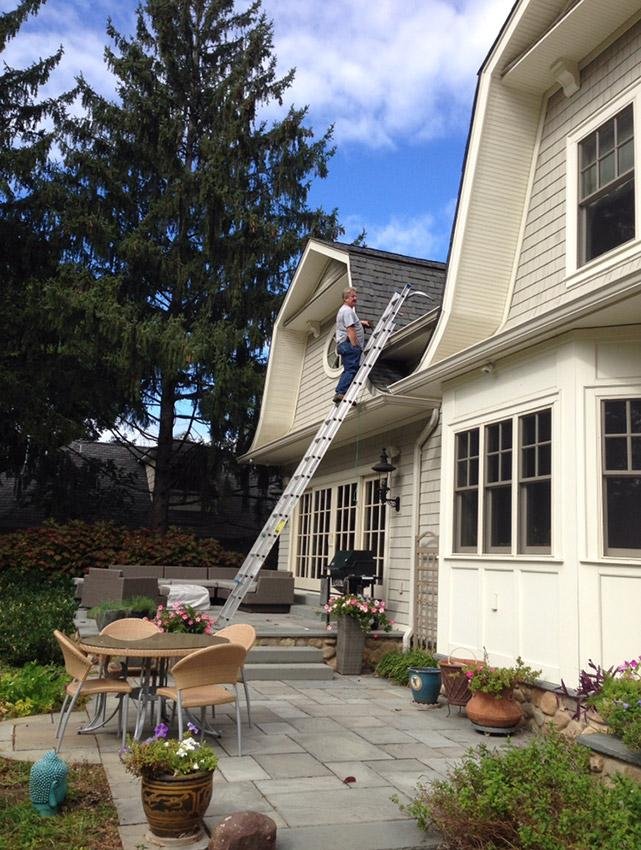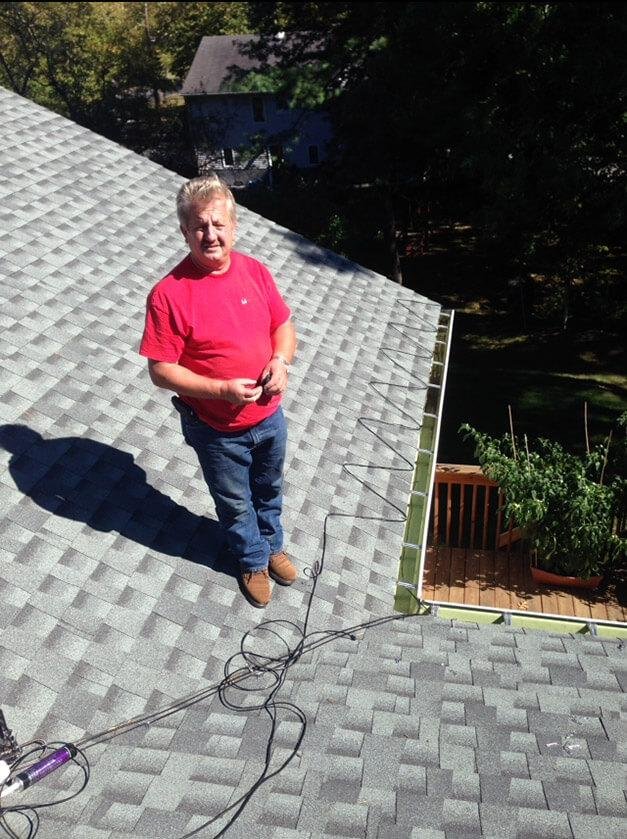
Prevent ice dams, icicles, and winter roof damage with professionally installed heat trace cables. Protect your roof, gutters, and interior from the water damage that ice dams cause every winter in Northern New Jersey.
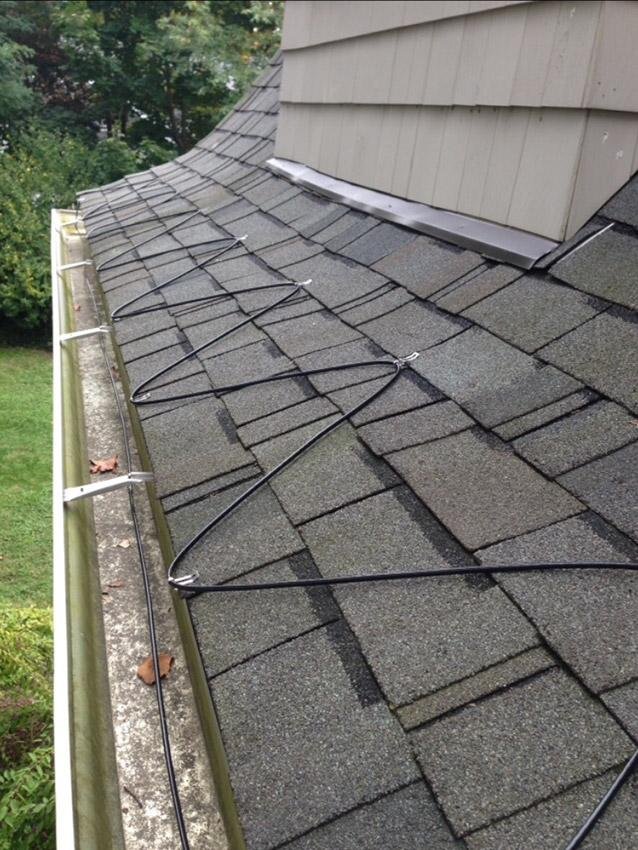
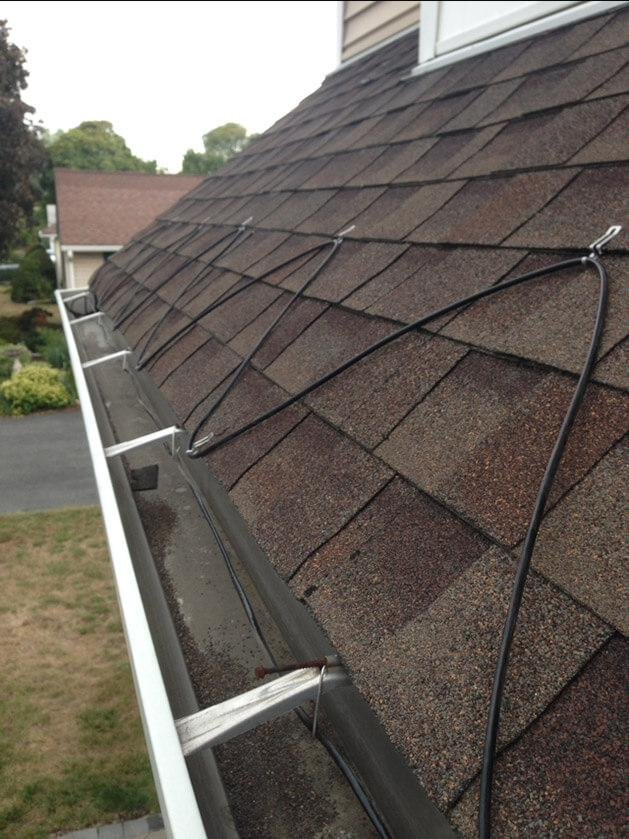
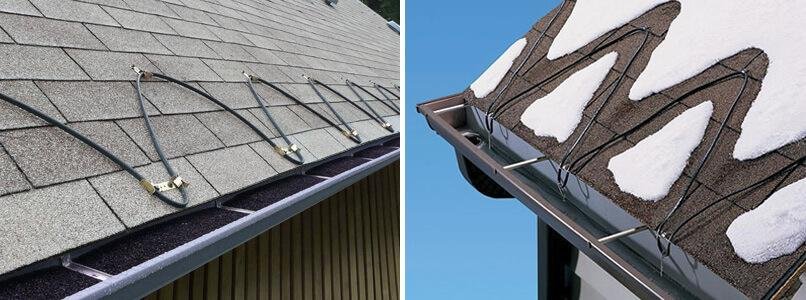
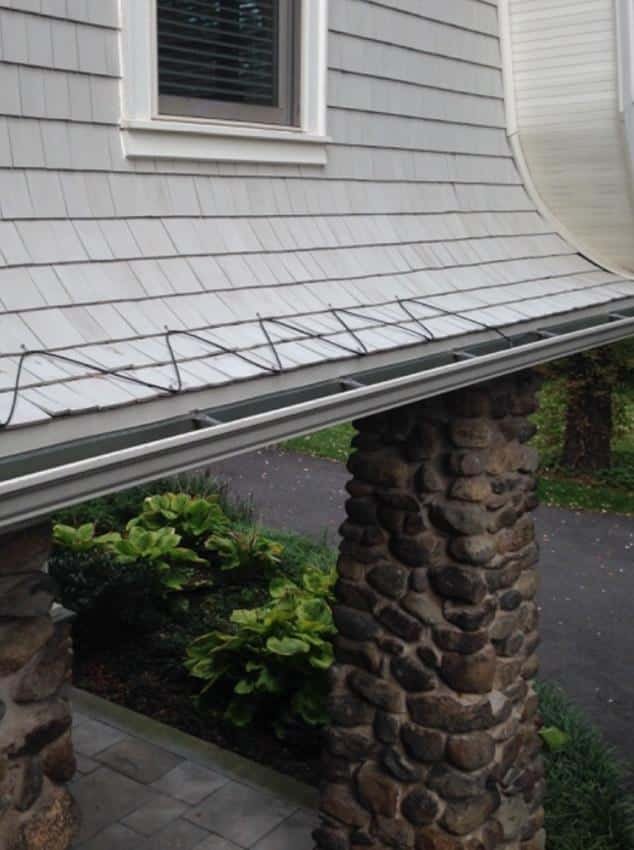
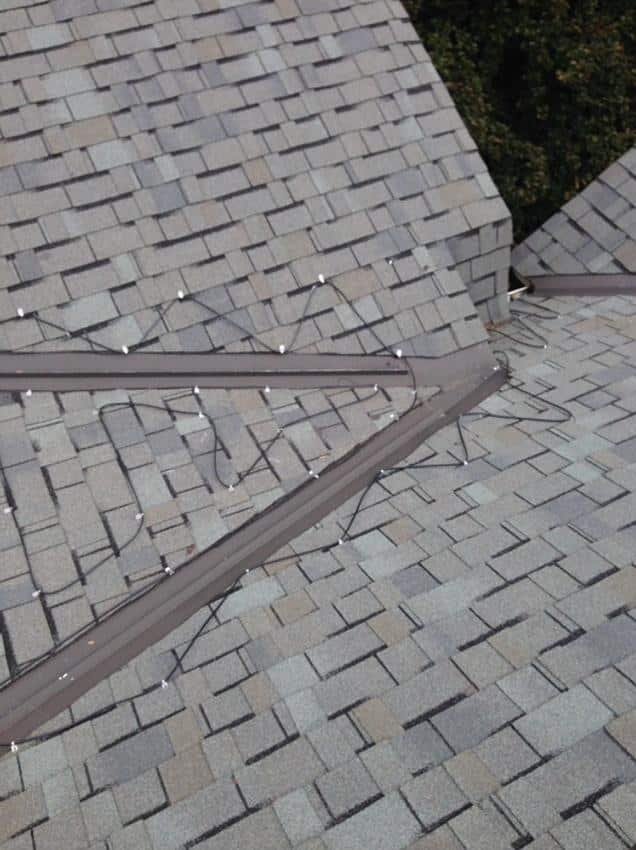
Northern New Jersey’s freeze-thaw winters create ideal conditions for ice dam formation. De-icing cables prevent ice from accumulating where it causes the most damage — at the roof edge and inside the gutters. Ice dams form when heat escaping through your roof melts snow on the upper sections, and that meltwater flows down and refreezes at the cold roof edge. The ice ridge that forms forces water back under shingles, where it soaks the roof deck and eventually penetrates your ceiling and walls. Icicles hanging from gutters are not just a visual concern — they indicate that water is freezing inside your gutter system, adding hundreds of pounds of weight that pulls gutters away from the fascia. Roof de-icing cables, also called heat trace cables, are installed in a zigzag pattern along the roof edge and inside the gutters. They create a channel for meltwater to drain away before it can refreeze and form a dam.
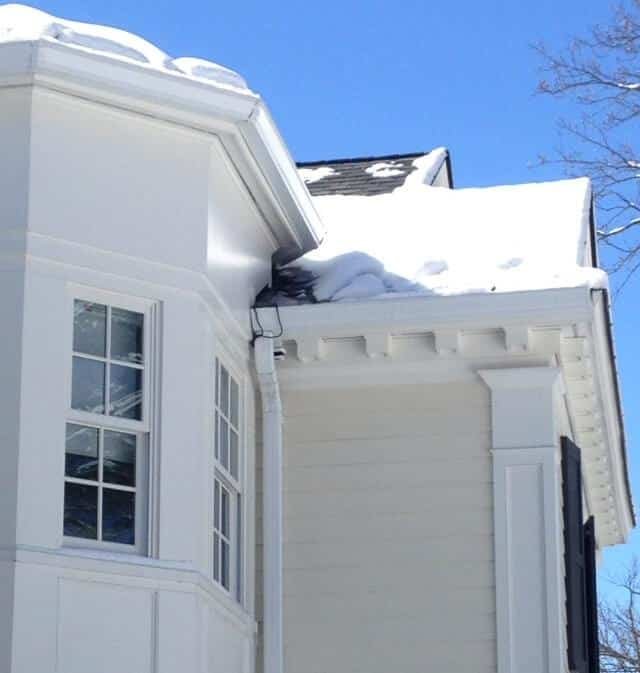
Some homes are more prone to ice dam formation than others. These signs indicate your home is at risk and de-icing cables would provide meaningful protection.
Ice dam protection may be warranted if you notice any of the following:
• Icicles forming along your roofline or gutters during winter
• Ice accumulation inside your gutters that does not melt between storms
• Water stains on interior ceilings or walls following winter storms
• Gutters that have pulled away from the fascia after a winter season
• Your roof has low pitch or flat sections where snow accumulates and sits
• You have experienced ice dam damage in previous winters
• Your attic is inadequately insulated or ventilated
• You live in a shaded area with north-facing roof sections
• Snow sits on your roof for extended periods without melting uniformly
• You notice water dripping from soffit areas during warm spells after heavy snow
The visible icicle is only the external sign of ice dam damage. Inside your walls and ceiling, water backed up behind the ice dam soaks the roof deck, insulation, and interior surfaces. By the time water stains appear on your ceiling, the damage is already extensive — saturated insulation that has lost its R-value, wood sheathing that has begun to rot, and mold that has started to establish in the warm, wet conditions inside the wall cavity. Insurance claims for ice dam damage are among the most common winter claims in Northern New Jersey. Prevention through de-icing cables costs a fraction of the remediation that follows.
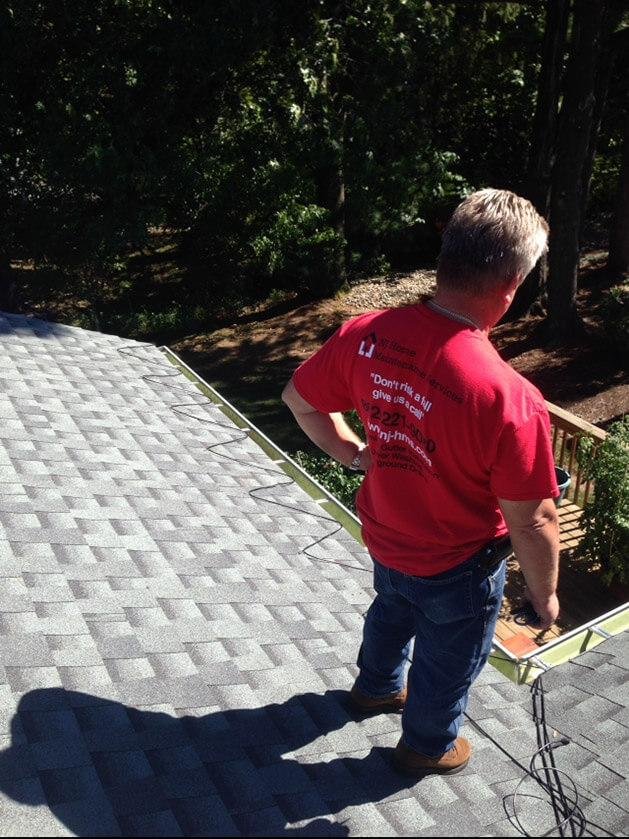
We understand Northern New Jersey winters and the specific roof configurations that make properties vulnerable to ice dam formation and recurring gutter damage. We assess your roof’s ice dam vulnerability before recommending a cable layout. We consider roof pitch, attic conditions, existing gutter configuration, and the areas where ice accumulates based on your home’s orientation and sun exposure. We install cables in the correct pattern and length for your specific situation — not a generic installation that leaves vulnerable sections exposed. Every installation is performed by our licensed and insured crew using cables rated for the Northern NJ climate.
Ready to protect your home? Call (862) 221-9080 or fill out our quick form for a free estimate.
De-icing cables provide targeted winter protection for the roof sections and gutter runs most vulnerable to ice dam formation and damage.
A complete winter protection system professionally matched to your roof, installed correctly, and ready to activate before the first storm of the season.
We assess the roof, identify vulnerable sections based on pitch and orientation, and design the cable layout for complete protection.
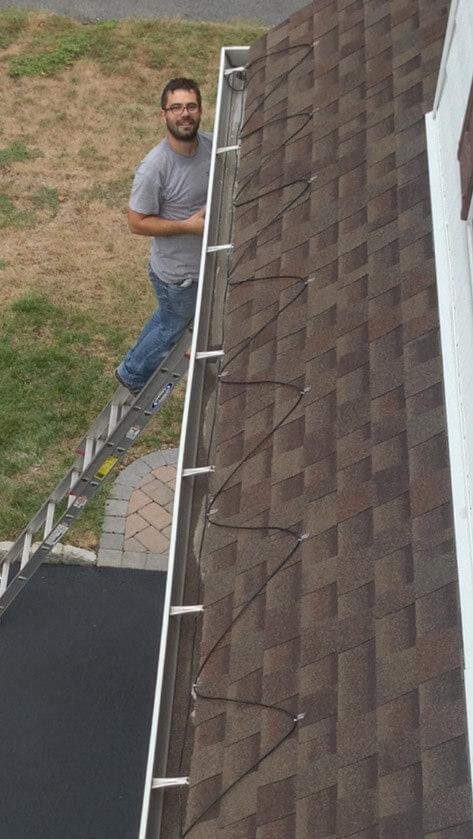
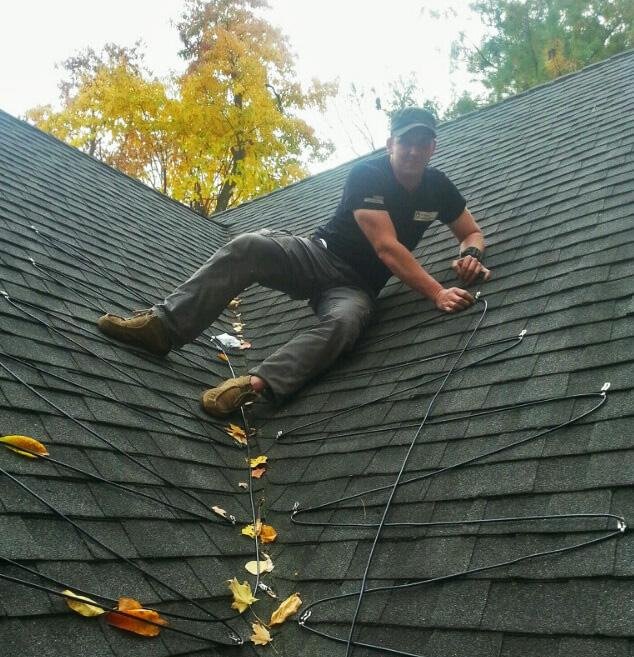
Cables are installed in a zigzag pattern on the roof edge and routed through gutters and downspouts using roof-safe clips that do not penetrate or damage shingles.
Cables are connected to a weatherproof outdoor outlet. We confirm adequate circuit capacity before energizing the system.
All cable sections are tested to confirm correct heating function across the full installation before we leave.
We explain how the system works, when to activate it before a forecasted storm, and what signs indicate a section may need attention.
You receive clear guidance on when to activate the system before a forecasted storm, how long to run it, and what signs to watch for that indicate a section may need attention during the winter season.
A professional installation process that protects your roof’s most vulnerable sections before the first winter storm arrives.
De-icing cable installation is best completed before the first freeze. Get your free estimate now and protect your roof this winter season.
A maintenance plan ensures your de-icing cables are inspected before each winter season and your gutters are clean and clear when freezing temperatures arrive after fall leaf drop.
Fall gutter cleaning and de-icing cable inspection before winter. Ensures both the system and gutters are ready before temperatures drop.
Spring and Fall cleanings with cable inspection included in the Fall visit. Addresses spring thaw season and fully prepares for winter.
Quarterly visits with priority scheduling and pre-winter cable inspection included at the Fall visit.
Five visits per year with annual roof inspection, cable inspection, and 10% off all additional roofline services.
Commercial properties with flat or low-pitch roof sections, large roof areas, and ground-level entrances below roof edges face particular ice dam and icicle hazards during Northern NJ winters.
Common questions about roof de-icing cables, how they work, and how they are installed.
Fill out the form and our team will get back to you within one business day. No obligation, no pressure.
Mon – Sat 8:00 AM – 6:00 PM
Sun 10:00 AM – 2:00 PM
26 Lincoln Road
Butler, New Jersey 07405
Licensed & Fully Insured NJHIC 13VH07616300
Family Owned Since 2012 · 4.9★ Rated on Google